

Understanding Curing Through Material Design
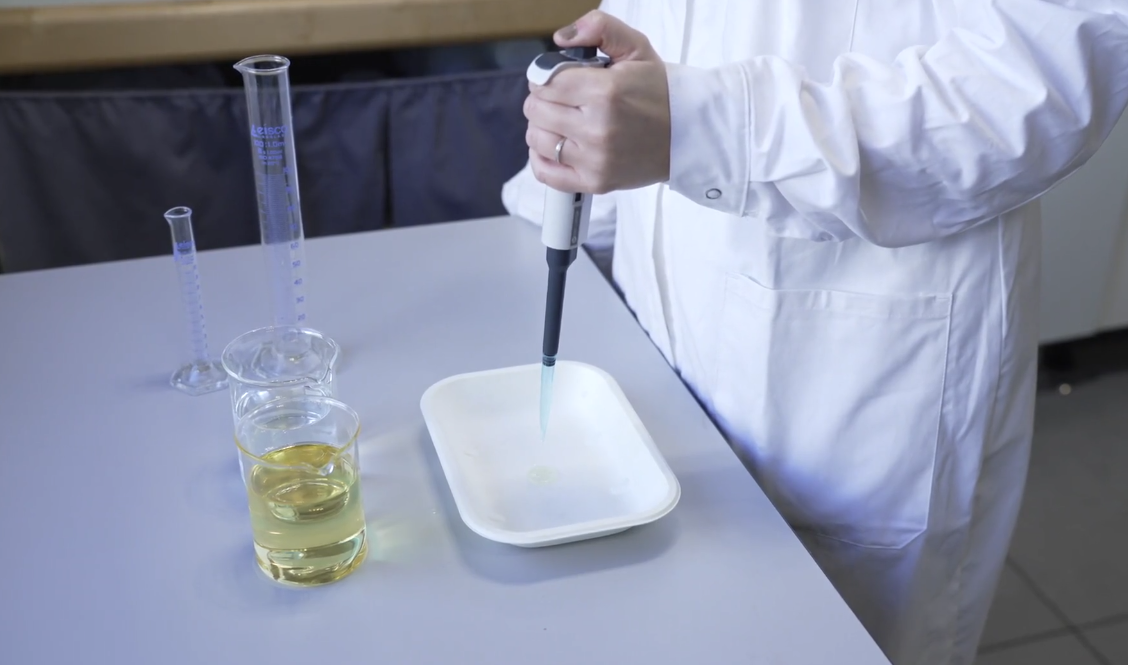
When discussing moulded fiber packaging, conversations around chemistry often focus on functional additives and how to maximize their performance, particularly since some additives require curing to achieve their full effect. At Yangi, we see it differently: material performance is not driven by chemistry alone, but by the combination of smart material architecture and optimized process settings.
Through Yangi FiberIQ®, chemistry becomes part of the material architecture itself. By controlling fiber distribution and material structure during formation, chemistry can be integrated directly into the fiber network rather than being treated as a separate downstream step.
This creates what we refer to as embedded chemistry.
The advantage is that functionality can be designed into the material from the beginning, creating opportunities for strength development, barrier functionality, and improved process efficiency while reducing complexity in later production stages.
Rather than viewing fiber and chemistry as separate elements, they are treated as part of the same engineered material system, and our work with curing continues to generate valuable insights.
One of the key learnings is that curing is highly dependent on the interaction between cellulose, chemistry, process settings, and final storage conditions. Different materials behave differently, highlighting the importance of understanding the complete material system.
What makes the Yangi Cellera platform with its FiberIQ particularly powerful is that the required functionality is achieved directly in the process, no separate curing step or elevated temperatures needed. What we observe is that performance continues to develop naturally after production, reaching its full potential within approximately one to two weeks under normal storage and transport conditions. In practice, this means that by the time a product reaches the end customer, it has already achieved its complete barrier and strength performance, without any additional processing.
These findings reinforce an important principle: Performance is not created by chemistry alone. It is created through the interaction between fiber architecture, chemistry, and process conditions. This is why FiberIQ® is designed to enable controlled material architecture from the very beginning.
Because great packaging is created when material science, chemistry, and process engineering work together as one system.